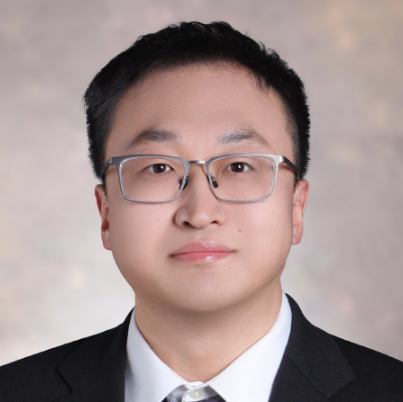
Lei LIU
Contact:leiliu@cpl.ac.cn
Education
2010-2014, Shiga University of Medical Science,Integrated Medical Science,PhD
2004-2009,Harvard Medical School,Clinical medicine,Batchelor
Academic Experience
2026-present,Changping Laboratory, Beijing, Leading Scientist
2025-2026,Harvard Medical School, USA, Associate Professor of Neurology
2021-2025,Harvard Medical School, USA, Assistant Professor of Neurology
2019-2021,Harvard Medical School, USA, Instructor in Neurology
2016-2019,Harvard Medical School, USA, Postdoctoral Fellow
2014-2016,Shiga University of Medical Science, Japan, Specially Appointed Assistant Professor
2009-2010,Shiga University of Medical Science, Japan, Visiting Researcher
Overview of Academic Research
Long-term research focus on the basic and translational study of Alzheimer’s disease and related neurodegenerative disorders, with systematic work centered on key molecular mechanisms of disease initiation and progression, fluid biomarker development, and disease-modifying therapeutic strategies. Research areas include γ-secretase biology and its regulatory mechanisms, amyloid and tau pathology, the application of biomarkers for early diagnosis and disease staging, and the development and evaluation of novel therapeutic approaches, including antibodies and small molecules. This work aims to advance mechanistic understanding of neurodegenerative disease by integrating molecular biology, biochemistry, neuropathology, and clinical sample-based studies, while promoting the translation of basic discoveries into diagnostic technologies and therapeutic products.
Key research areas include:(Descriptions of academic outcomes, thesis titles, etc.)
1. Published more than ten first-author or corresponding-author papers in the field of Alzheimer’s disease in journals including JAMA Neurology, Alzheimer’s & Dementia, and Nature Communications.
2. Completed multiple patent applications and patent-priority filings related to molecular diagnostics and therapeutic intervention technologies for Alzheimer’s disease, covering diagnostic reagents, antibody molecules, and related technical methods.
3. Independently designed and developed multiple key antibodies for molecular diagnosis of Alzheimer’s disease, with strong specificity, sensitivity, and translational potential. Related technologies have been licensed to biotechnology companies, supporting the industrial translation of scientific discoveries.
Major Honor and Awards
1. 2013, Wakaayu Award, Shiga University of Medical Science, Japan.
2. 2014, Best Basic Research Award, Japan Society for Dementia Research.
3. 2014, Best Doctoral Dissertation Award, Shiga University of Medical Science, Japan.
4. 2015, Medical Research Grant, Takeda Science Foundation, Japan.
5. 2018, Rappaport Alzheimer’s Disease Research Scholar, Harvard Medical School.
6. 2025, Second Prize, North America Biomedical Special Competition, Nanshan District Government, Shenzhen.
7. 2025, Third Prize, “Entrepreneurship Star” Global Competition, Nanshan District Government, Shenzhen.
Representative Research Achievements
1. Liu, L., Yu, L., Petyuk, V. A., Kapasi, A., Yoo, H. B., Saba, A., Yang, H.-S., Chhatwal, J. P., & Bennet, D. A. (2026). Association of Aβ monomers with cerebral amyloid angiopathy in brains without parenchymal Aβ deposition. Brain Communications, fcag051.
2. Meade, J., Mesa, H., Alamgir, S., Bieniecka, I., Liu, L., & Zhang, Q. (2026). Synaptic toxicity of OGA inhibitors and the failure of ceperognastat. The Journal of Prevention of Alzheimer’s Disease, 100456.
3. Liu, L., Saba, A., Pascual, J. R., Miller, M. B., Hennessey, E. L., Lott, I. T., Brickman, A. M., Wilcock, D. M., Harp, J. P., Schmitt, F. A., Selkoe, D. J., Chhatwal, J. P., & Head, E. (2024). Lecanemab and Vascular-Amyloid Deposition in Brains of People With Down Syndrome. JAMA Neurology.
4. Liu, L., Schultz, S. A., Saba, A., Yang, H.-S., Li, A., Selkoe, D. J., & Chhatwal, J. P. (2024). The pathogenicity of PSEN2 variants is tied to Aβ production and homology to PSEN1. Alzheimer’s & Dementia.
5. Bellier, J., Cai, Y., Alam, S. M., Wiederhold, T., Aiello, A., Vogelgsang, J. S., Berretta, S., Chhatwal, J. P., Selkoe, D. J., & Liu, L. (2024). Uncovering elevated tau TPP motif phosphorylation in the brain of Alzheimer’s disease patients. Alzheimer’s & Dementia, 20(3), 1573–1585.
6. Bellier, J., Román Viera, A. M., Christiano, C., Anzai, J. A. U., Moreno, S., Campbell, E. C., Godwin, L., Li, A., Chen, A. Y., Alam, S. M., Saba, A., Yoo, H. B., Yang, H., Chhatwal, J. P., Selkoe, D. J., & Liu, L. (2024). Identification of fibrinogen as a plasma protein binding partner for lecanemab biosimilar IgG. Annals of Clinical and Translational Neurology, 11(12), 3192–3204.
7. Liu, L., Kwak, H., Lawton, T. L., Jin, S., Meunier, A. L., Dang, Y., Ostaszewski, B., Pietras, A. C., Stern, A. M., & Selkoe, D. J. (2022). An ultra‐sensitive immunoassay detects and quantifies soluble Aβ oligomers in human plasma. Alzheimer’s & Dementia, 18(6), 1186–1202.
8. Liu, L., Lauro, B. M., Wolfe, M. S., & Selkoe, D. J. (2021). Hydrophilic loop 1 of Presenilin-1 and the APP GxxxG transmembrane motif regulate γ-secretase function in generating Alzheimer-causing Aβ peptides. Journal of Biological Chemistry, 296, 100393.
9. Liu, L., Ding, L., Rovere, M., Wolfe, M. S., & Selkoe, D. J. (2019). A cellular complex of BACE1 and γ-secretase sequentially generates Aβ from its full-length precursor. Journal of Cell Biology, 218(2), 644–663.
10. Liu, L., Lauro, B. M., Ding, L., Rovere, M., Wolfe, M. S., & Selkoe, D. J. (2019). Multiple BACE1 inhibitors abnormally increase the BACE1 protein level in neurons by prolonging its half‐life. Alzheimer’s & Dementia, 15(9), 1183–1194.