Jonathan Rothberg, Pioneer of Next-Generation Sequencing: Where Will the Next Breakthrough in Sequencing Come From?
2026-09-01
Keynote Presentation | Genome Sequencing
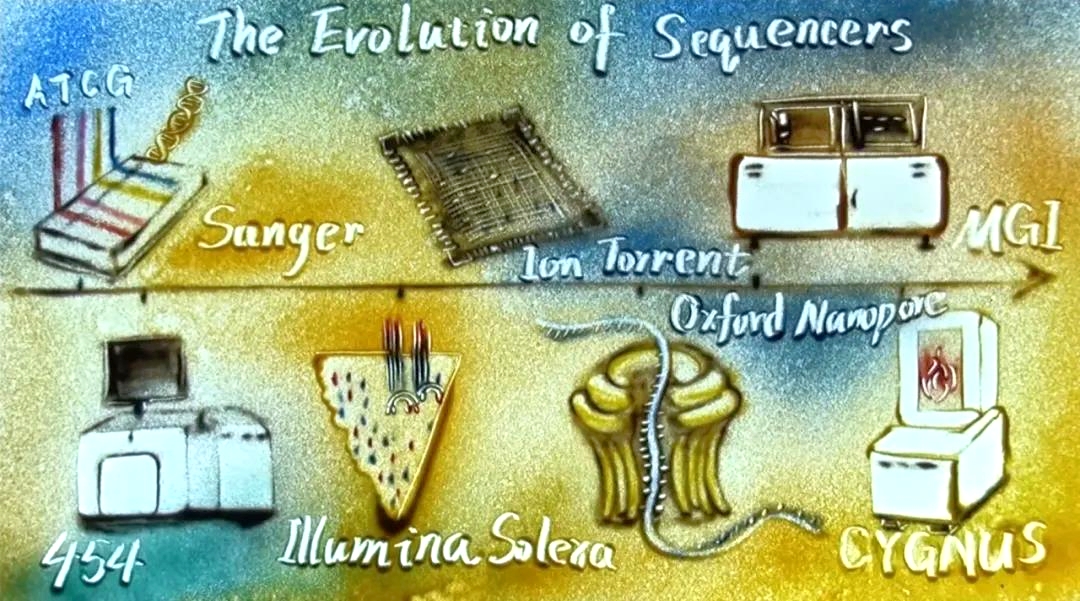
From the earliest sequencing instruments, capable of reading only a few dozen bases, to a world in which a human genome is now sequenced somewhere approximately every six seconds on average, advances in sequencing technology have transformed both biomedical research and our understanding of life.
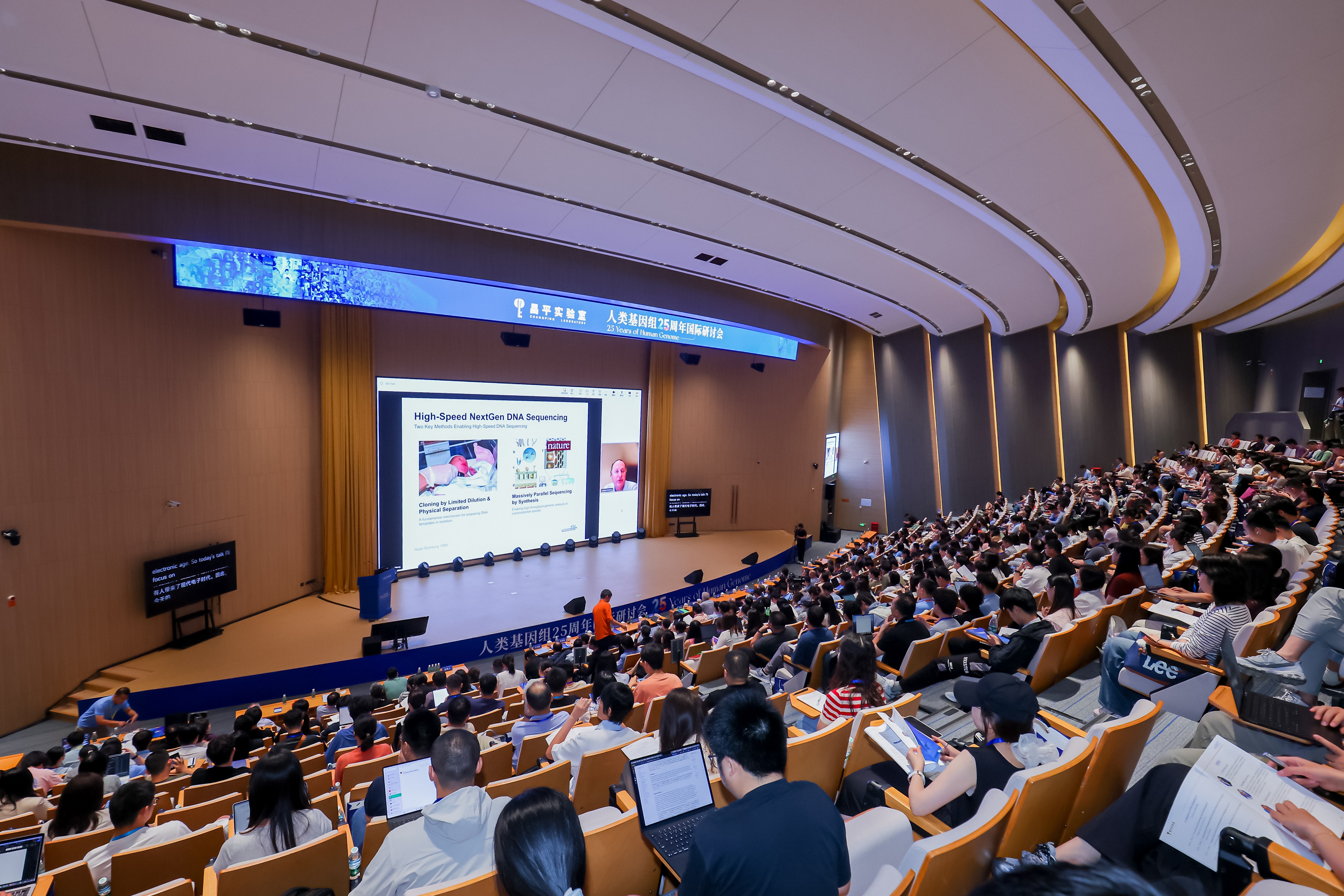
At the 25th Anniversary International Symposium on the Human Genome at Changping Laboratory, the first scientific session, “Genome Sequencing,” chaired by Xiaoliang Sunney Xie, Director of Changping Laboratory, brought together leading scientists to review the evolution of sequencing technologies, present recent advances, and consider where the next major breakthroughs may emerge.
Jonathan Rothberg, a pioneer of next-generation sequencing, delivered the opening keynote presentation. Rothberg founded 454 Life Sciences in 1999, where he developed massively parallel DNA sequencing technology and subsequently completed the sequencing of the first individual human genome—that of James Watson. He later founded Ion Torrent, advancing semiconductor-based sequencing and contributing to the dramatic reduction in sequencing costs. For these breakthroughs, he was awarded the National Medal of Technology and Innovation and elected to the U.S. National Academy of Engineering.
Rothberg traced the development of massively parallel DNA sequencing from an ambitious technological concept to a widely applicable platform. The combination of sharply declining costs and exponentially increasing sequencing speeds has transformed genomics from an expensive form of “big science” into a technology with increasingly broad accessibility. Yet he emphasized that technological progress should ultimately be judged by its impact on human health. For Rothberg, the significance of sequencing lies not simply in the ability to read increasing amounts of DNA, but in whether the resulting information can meaningfully assist patients and physicians.
His perspective was shaped in part by personal experience. Rothberg recalled how his child’s admission to an intensive care unit motivated him to rethink DNA sequencing as a laboratory-scale, assembly-line process and pursue a semiconductor-based technological platform that could make sequencing faster and more accessible.
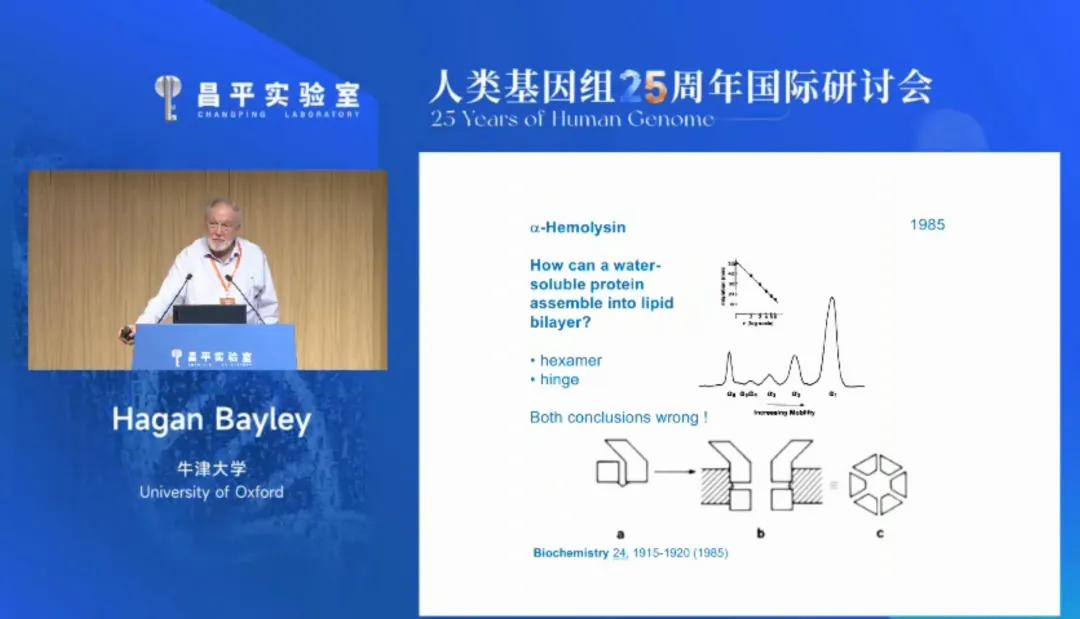
Hagan Bayley, Professor of Chemical Biology at the University of Oxford and a pioneer in protein nanopore sensing and single-molecule sequencing, reviewed the technical challenges encountered during the early development of nanopore sequencing. These included introducing DNA into a nanopore, controlling the speed at which it passes through the pore, and simultaneously reading large numbers of molecules. His succinct description of the response to these challenges - “We never give up” - captured the persistence required over decades of technological development.
In 2005, Bayley founded Oxford Nanopore, where his team developed portable DNA and RNA sequencing technologies based on protein nanopores. These efforts helped establish the foundation for what is now widely regarded as third-generation sequencing, distinguished particularly by its capacity to generate long reads.
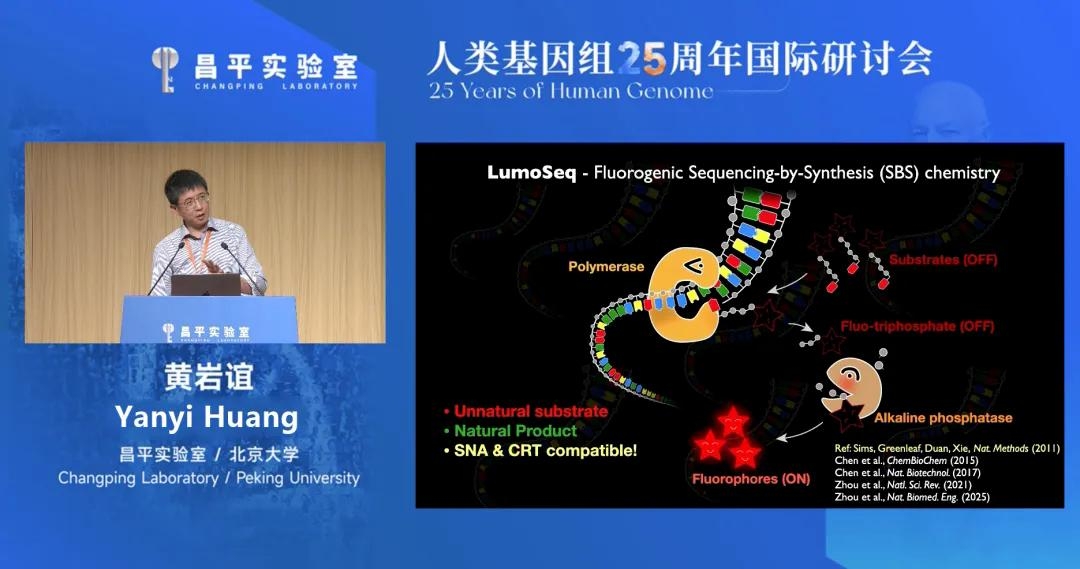
Yanyi Huang, leading scientist of Changping Laboratory and professor of Peking University, discussed how sequencing technologies are continuing to expand the boundaries of biological inquiry - from genetic sequences to single cells, multi-omics, and complex disease. He introduced LumoSeq, jointly developed by his team, which aims to improve the efficiency, affordability, and accessibility of genomic technologies and facilitate their broader adoption in practical applications.
Panel Discussion 2
These themes were explored further in the panel discussion “The Genomic Sequencing Revolution,” moderated by Zhang Zemin, Academician of the Chinese Academy of Sciences and President of Chongqing Medical University. Rothberg, Bayley, and Chen Zitian considered both the breakthroughs that have shaped sequencing technology and the ways in which sequencing may ultimately become integrated into medicine, research laboratories, and everyday life.
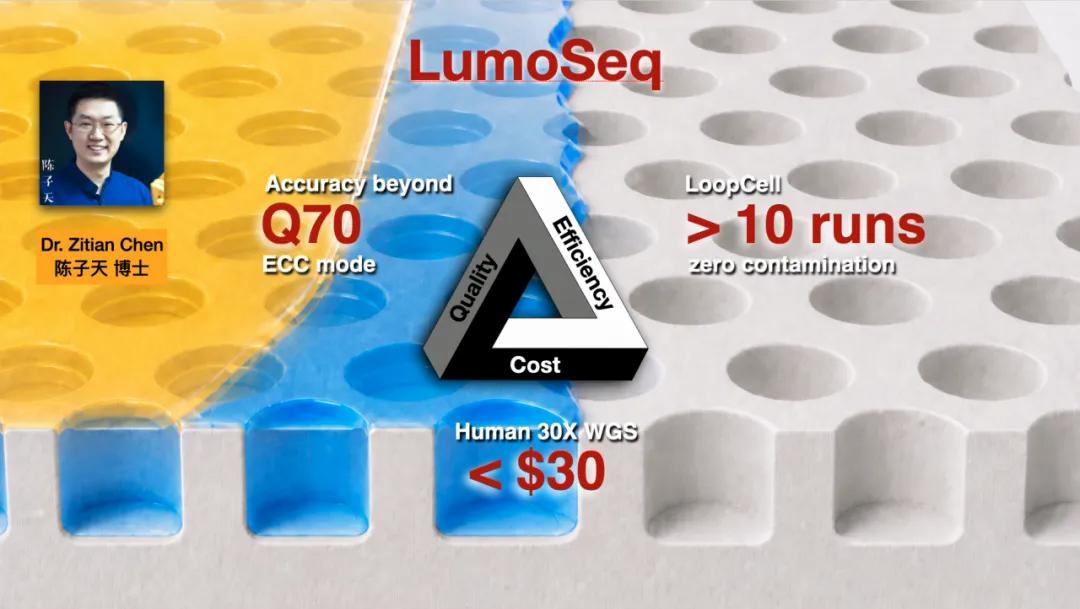
Chen, Co-founder of SynaBio, discussed efforts to translate LumoSeq from basic research into a high-throughput sequencing platform. His team has focused particularly on reducing sequencing costs while improving performance through innovations in chip materials and sequencing systems.
Looking further ahead, Chen argued that sequencing should no longer be understood solely as the process of “reading out sequences.” Ideally, a standardized assay could capture multiple layers of molecular information - including genomic, RNA, and methylation data - from the same biological sample. In this conception, sequencing becomes a means of characterizing the multidimensional molecular state of a cell or biological sample.
Such an approach could turn each sequencing experiment into a molecular “snapshot” of a biological system. As increasingly large high-dimensional datasets accumulate, they may reveal biological principles and clinically relevant patterns that were previously inaccessible, while also providing essential data for the development of artificial intelligence models. Achieving this vision, however, will depend on continued improvements in sequencing speed, efficiency, accuracy, and affordability.
Reflecting on the unexpected directions the field has taken, Rothberg acknowledged that he had underestimated the eventual importance of single-cell genomics. Zhang concluded by characterizing the sequencing revolution as a succession of transformations: new ways of reading genetic information, increasing technological scale, and, ultimately, the conversion of sequencing data into biological understanding and medical knowledge.
Zhang Zemin summarized that the next revolution in sequencing may therefore be defined not simply by how much faster or more cheaply DNA can be read, but by how comprehensively molecular information can be captured and translated into meaningful biological and clinical insight.
Where will the next revolution in genomics begin? Watch the full recording of Panel Discussion 2 to hear Jonathan Rothberg, Hagan Bayley, Chen Zitian, and moderator Zhang Zemin explore the present landscape and future trajectory of sequencing technologies.