Immunity and Cancer Beijing 2025 on the Occasion of the 5th Anniversary of Changping Laboratory Symposium Concludes
2025-10-27
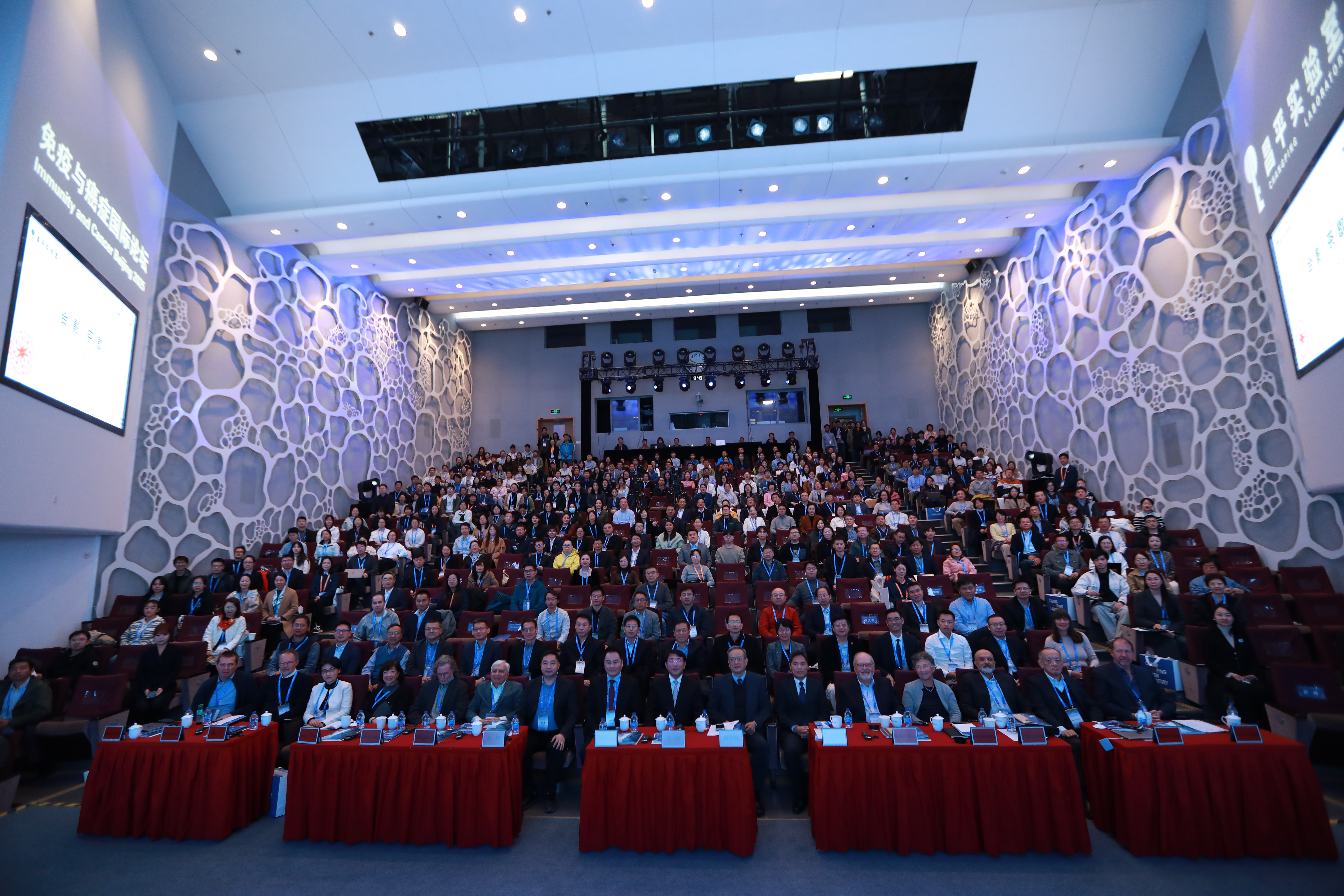
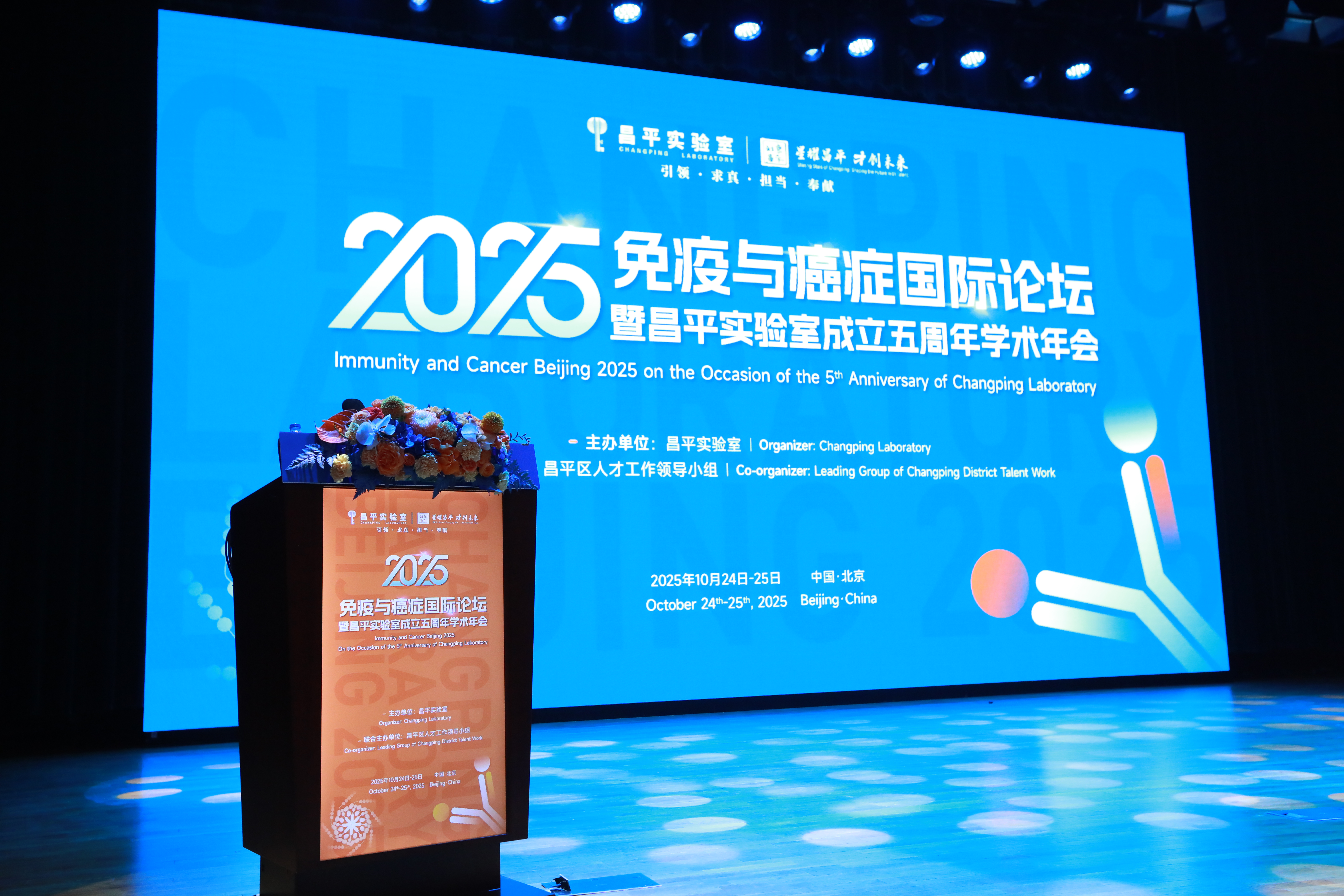
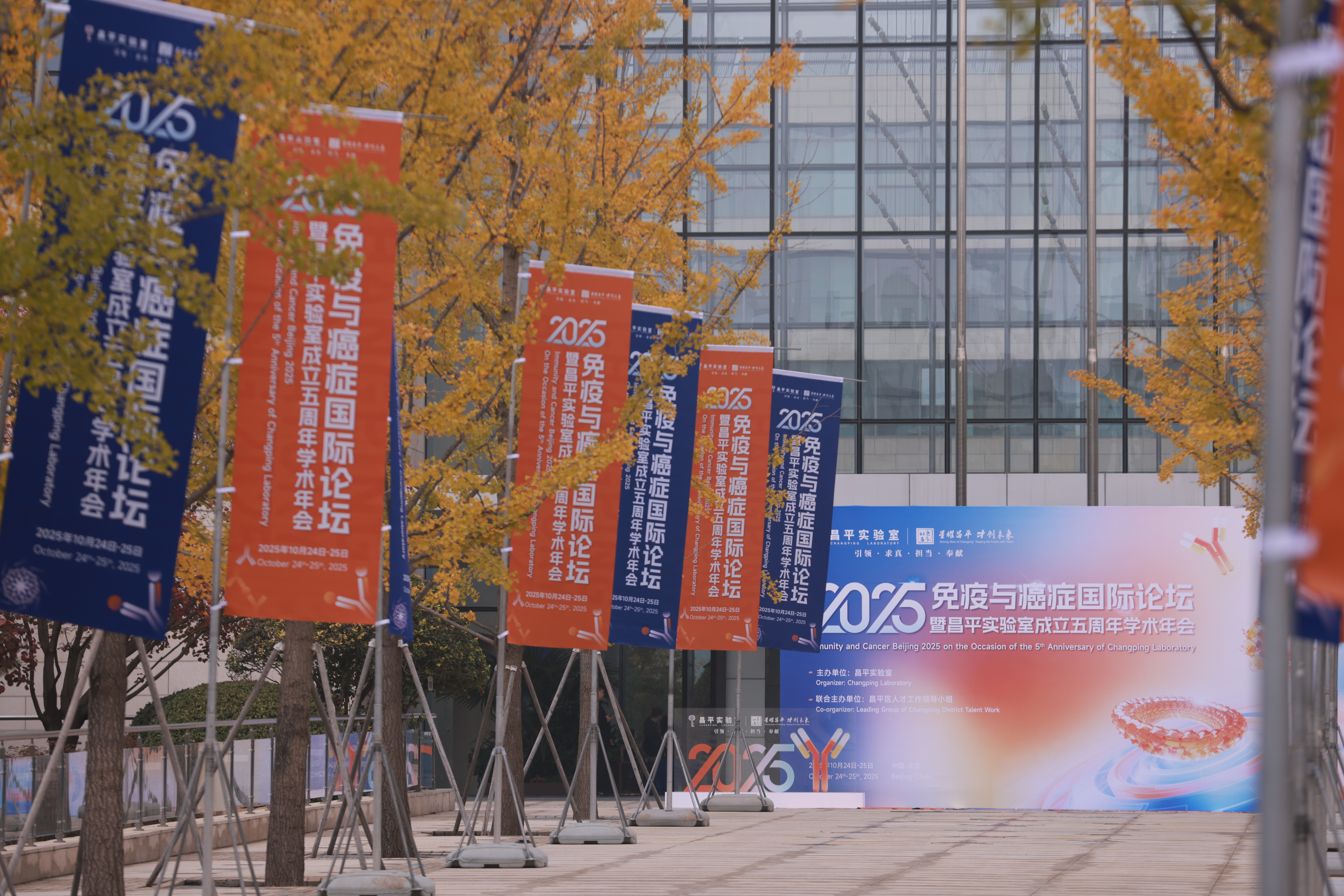
To mark the fifth anniversary of Changping Laboratory, leading scientists from China, the United States, Japan, and Europe recently gathered for an academic symposium on the latest advances and future directions in immunology and oncology, offering perspectives on the development of biomedicine in China and worldwide and its implications for human health.
The following is a summary of the presentations.
How the Immune System Recognizes External Stimuli and Initiates Different Types of Immune Responses
How the immune system recognizes external stimuli and initiates different types of immune responses is a central question in the life sciences. Prof. Feng Shao (Changping Laboratory / National Institute of Biological Sciences, Beijing), Prof. Shigekazu Nagata (Osaka University), Prof. Bart N. Lambrecht (Ghent University), and Dr. Mo Xu (National Institute of Biological Sciences, Beijing) delivered talks titled "Antitumor Immunity Triggered by Bacteria-derived Signals: Pyroptosis and Beyond," "Exposure of Phosphatidylserine to the Cell Surface in Apoptosis," "New Insights in Type 2 Immunity in Cancer Metastasis," and "A Step Toward Deciphering Type 2 Innate Immune Sensing," respectively. Their talks covered the cascading signaling pathways of pyroptosis, the molecular mechanisms by which phosphatidylserine on cell surfaces triggers apoptotic cell clearance, the dual roles of Type 2 immunity in both suppressing and promoting primary and metastatic tumors, and the initial sensing mechanisms of Type 2 immunity — together presenting the latest progress in immune mechanism research from multiple perspectives.
T Cell Dysfunction as a Key Factor Limiting Anti-Tumor Immunotherapy
T cell dysfunction is a key factor limiting the efficacy of anti-tumor immunotherapy. Scientists at the forum reported the latest progress in research on cellular exhaustion and immunometabolic reprogramming. Prof. Rafi Ahmed (Emory University) and Prof. Dietmar Zehn (Technical University of Munich) presented "What is T Cell Exhaustion?" and "Differentiation and Maintenance of Exhausted CD4 and CD8 T Cells," systematically outlining the differentiation hierarchy and epigenetic mechanisms of T cell exhaustion. Prof. Hongbo Chi (St. Jude Children's Research Hospital) presented "Metabolic Reprogramming of Cancer and Immunity: A Functional Genomics Perspective," revealing the central role of metabolic reprogramming in restoring immune function. Prof. Dario Vignali (University of Pittsburgh) and Prof. Jun Wang (New York University) presented "LAG-3: The Third Checkpoint Inhibitor and Its Synergistic Interactions with PD1" and "Probing Key Immune Feedback Modulators for Next-generation Immunotherapy of Cancer and Autoimmunity," further revealing the synergistic inhibitory mechanisms of LAG-3 and PD-1 and providing a molecular basis for developing next-generation combination checkpoint therapies. Together, these studies outline a comprehensive biological picture of T cells from exhaustion to functional recovery, laying a foundation for more durable and precise immunotherapy.
Tumor Microenvironment and Innate Immunity Remodeling
In the area of tumor microenvironment and innate immunity remodeling, Prof. Judy Lieberman (Harvard Medical School) presented "A Genome-wide Look at Tumor Immunoediting," demonstrating findings on restoring interferon pathways and activating pyroptosis and necroptosis through epigenetic regulation. Dr. Vishva Dixit (Vice President, Genentech) presented "Why So Many Ways to Die?," revealing NINJ1 as a critical factor in terminal pyroptotic events and elucidating the active mechanisms of cell membrane rupture in inflammation and anti-infective immunity. Prof. Arthur Weiss (University of California, San Francisco) presented "T Cell Antigen Receptor Signaling is Optimized for Discrimination of Physiologic Ligands," explaining in depth how T cell receptor (TCR) signaling precisely distinguishes between "foreign" and "self" peptides. Prof. Bangrong Ding (University of North Carolina at Chapel Hill) presented "The Role of Innate Immune Receptors in Cancer," discussing the complexity of the STING pathway in tumor immune regulation. Together, these findings demonstrated multi-dimensional strategies for remodeling the tumor immune microenvironment — from cell death to signal regulation — providing solid theoretical support for the sustained activation of anti-tumor immunity.
"Cold Tumor" Immune Exclusion and Therapeutic Resistance
Addressing the challenges of "cold tumor" immune exclusion and therapeutic resistance, Prof. Lewis Lanier (University of California, San Francisco) presented "Activating Human NK Receptors," discussing the plasticity and memory characteristics of natural killer (NK) cells and their potential value in eliminating drug-resistant tumors. Prof. Li Tang (École Polytechnique Fédérale de Lausanne) presented "Type 2 Immunity May Hold Key to Long-Term Cancer Remission," proposing a new paradigm of "Type 1 + Type 2 immunity synergy" that promotes metabolic reprogramming, restores exhausted T cell function, and achieved complete remission in multiple solid tumor models. Prof. Yang-Xin Fu (Changping Laboratory / Tsinghua University) presented "The Immune Strategies to Convert Cold to Hot Tumors and Overcome Resistances," proposing an "outer-inner circulation" dual-track strategy that integrates vaccines, cytokines, checkpoint inhibitors, and anti-angiogenic bispecific antibodies to convert "cold tumors" into "hot tumors." These efforts mark a shift in tumor immunotherapy from single-target intervention toward multi-circuit, systems-level remodeling.
Cancer Genomics Technologies
In cancer genomics technologies, Prof. Xiaoliang Xie (Director, Changping Laboratory) presented "Mutations on Transcription Factors' DNA Footprints and Human Diseases," highlighting the potential applications of a self-developed double-stranded deaminase transcription factor footprinting technology in studying the link between non-coding genomic mutations and disease. Dr. Yunlong Cao (Changping Laboratory / Peking University) presented "From Cancer Methylome Atlas to Blood-based Screening: A Targeted Multi-Omics Approach for cfDNA Multi-Cancer Early Detection," introducing the latest progress in developing multi-cancer early screening systems using new genomic methylation detection technologies. These population-scale, multi-omics data analyses are changing the research paradigm in the life sciences.
In addition, Prof. Zhibo Liu (Changping Laboratory / Peking University) presented "Radiochemical Tools for Potentiating Anti-tumor Immunity," proposing a "radiochemical toolbox" concept that combines targeted radiotherapy with bioorthogonal chemistry to achieve radiation-induced precision drug release. Prof. Yan Li (Changping Laboratory / Nanjing University) presented "Targeting Immature Neutrophils for Primary and Metastatic Cancer Immunotherapy," introducing research using humanized immune system mouse models to reveal the immunosuppressive role of immature neutrophils. Dr. Qiuhe Lu (Changping Laboratory) presented "The Dual Role of the Gut Microbiome in Regulating Mucosal Immunity," systematically describing the dual regulation of mucosal immunity through "gut microbiome–IgA interactions" and proposing a novel strategy of combining "pro-IgA bacteria + prebiotics" to enhance vaccine-induced immune protection.
Prof. Lilin Ye (Changping Laboratory / Army Medical University), Prof. Xin Lin (Changping Laboratory / Tsinghua University), and Prof. Haopeng Wang (Changping Laboratory) delivered talks titled "Targeting Tumor-Reactive Memory CD8+ T cells for Cancer Immunotherapy," "Developing TCR-based Chimeric Antigen Receptor STAR for Immunotherapy," and "T Cell Signaling and Engineering," respectively, presenting the Laboratory's latest advances in tumor immunotherapy. Several of these pipelines have already entered investigator-initiated clinical trials (IITs), with the potential to produce new tumor immunotherapies in the coming years that are more effective, lower in cost, and have fewer side effects.
The forum demonstrated the great potential and promising outlook of the tumor immunotherapy field, and provided an open platform for exchange among researchers worldwide. As mechanistic research and clinical applications in tumor immunotherapy continue to advance, breakthroughs in this field are poised to bring revolutionary changes to cancer treatment, particularly for advanced solid tumors. Going forward, Changping Laboratory will, guided by national policy, leverage a broader international perspective and stronger research capabilities to advance the field of tumor immunology, promote innovation in the biomedical industry, and contribute greater wisdom and strength to the cause of human health worldwide.